

Canvas vs. Poster vs. Photo Print
Share
Canvas vs. Poster vs. Photo Print — a Clear Buying Guide for Home & Office
Wall art should look refined and be simple to live with. This guide compares three popular formats—Canvas Print, Poster Print, and Photo Print (paper)—so you can match the right finish to each room. If you prefer to skim options first, explore subjects and sizes in the Canvas Print Collection — Ready to Hang and review materials in Canvas Prints — Materials & Formats.
Canvas Print: Ready the moment it arrives
Construction and daily use
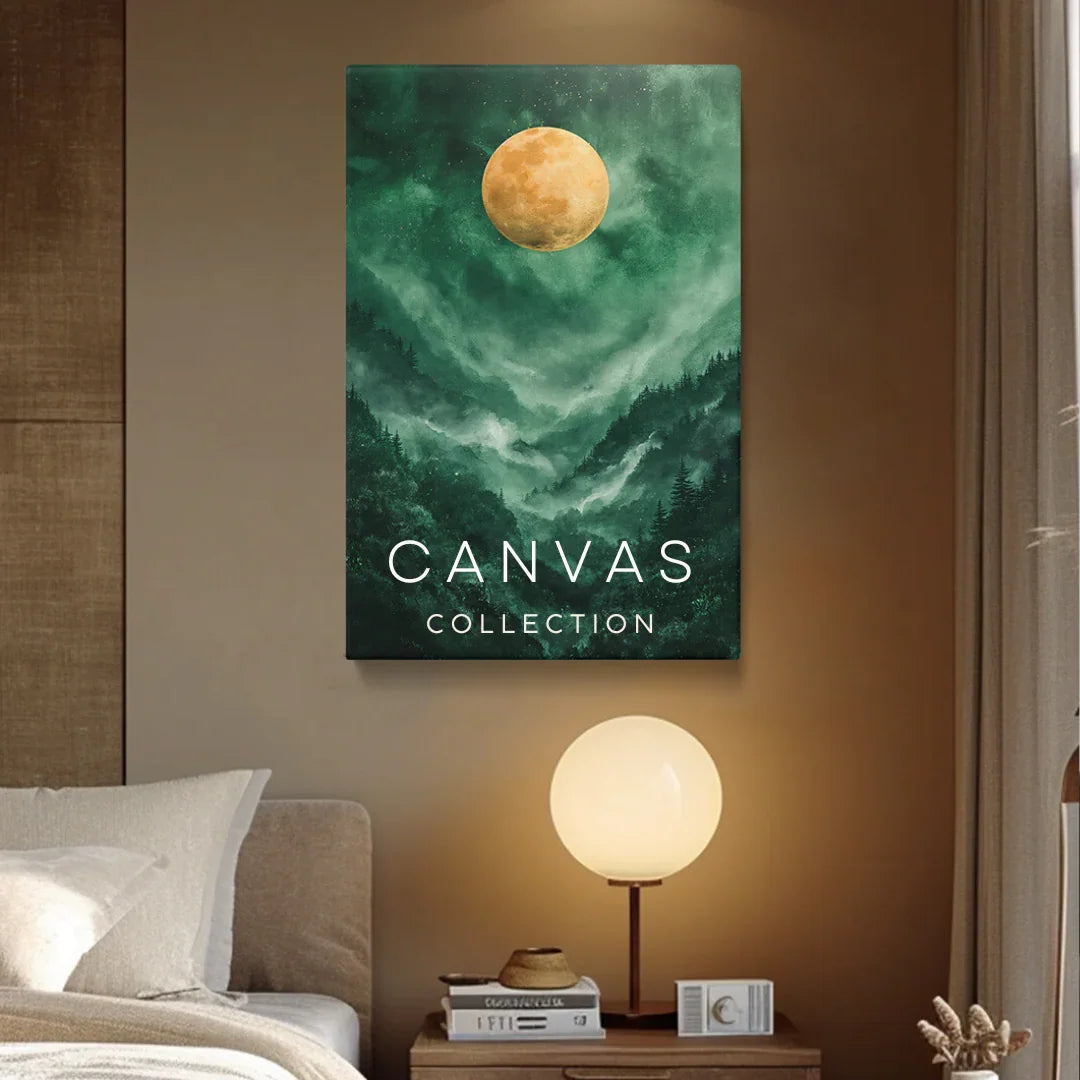
Each canvas is printed at high resolution on professional canvas, then hand-stretched over natural wood stretcher bars for a stable, gallery-style profile. Corners are neatly folded, edges remain crisp, and hanging hardware is mounted at the back so the piece is ready to hang on delivery. Every item is made to order and protected in multiple layers for safe travel from the studio to your wall. For oversized statements and correct proportions above large furniture, see our scale notes in Large Wall Art — Scale Guide and Extra Large Wall Art — Focal Walls.
Where canvas shines
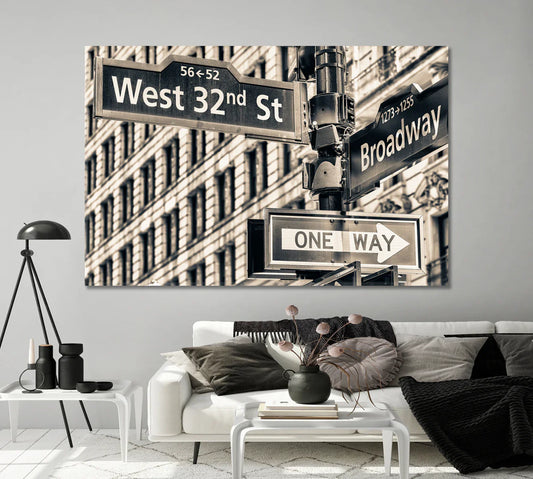
Canvas brings a soft, matte texture and a composed presence that reads clearly from typical viewing distances. It suits living rooms, bedrooms, entryways, hallways, and home offices—anywhere you want a quick, tidy installation and a durable build. If you prefer clean lines and minimal visual noise, browse Modern Wall Art — Clean Lines; for timeless contrast in neutral spaces, try Black & White Wall Art — Timeless Contrast.
Poster Print: light, simple, and budget-minded
What to expect
Poster Prints use quality paper and arrive rolled or flat depending on size. Add a frame after delivery for a complete look. This format is ideal for quick refreshes or temporary displays where weight and cost matter more than depth and texture. For ideas across themes, explore the Poster Art Prints Collection — Lightweight Options.
Photo Print (Paper): maximum crispness
Why choose paper for fine detail
Paper prints excel at smooth tonal transitions and sharp line work—perfect for photography, typography, and drawings. Display them framed behind glazing to protect the surface and add a tailored border. If you are deciding between paper and canvas for a subject such as nature or architecture, compare options in Landscapes & Nature — Calm Scenery and review framing tips in Wall Art Prints — Paper & Framing Guide.
Look, texture, and presence on the wall
How each format changes the room
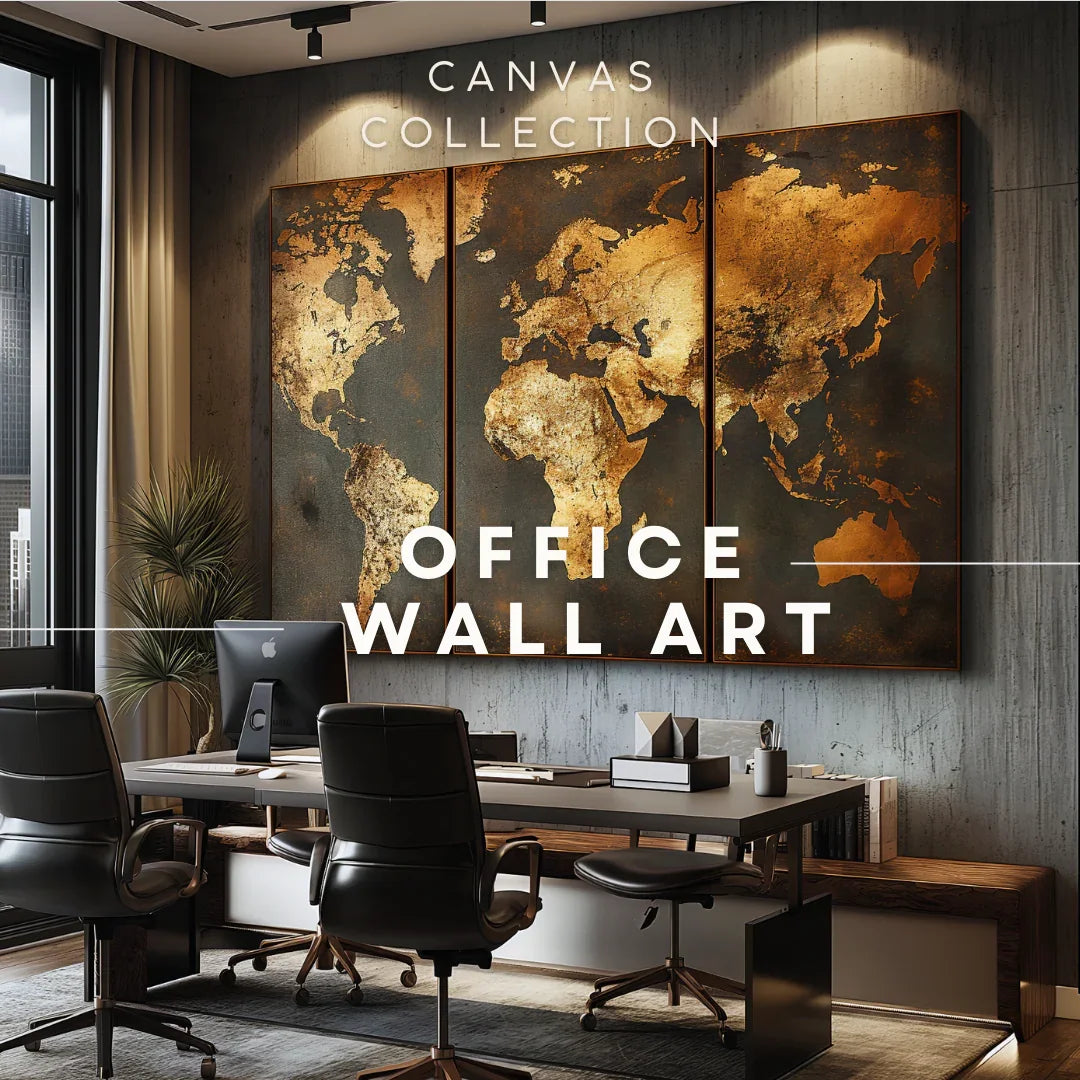
Canvas shows a quiet weave and a structured edge that reads clearly even across open rooms. Its matte finish softens reflections and keeps colors stable under typical lighting. Paper formats—poster and fine art prints—inherit the character of the frame you choose, whether thin, wide, metal, or wood; this makes them especially useful when you want to echo hardware and furniture finishes for a cohesive scheme. For video backdrops and meeting spaces, curated choices live in Office Wall Art — Backgrounds for Calls.
Sizing and layout that work in real rooms
Practical rules
As a starting point, select artwork roughly two-thirds the width of the furniture below and keep the center near eye level. Match orientation to wall shape: horizontal for wide spans, vertical for narrow sections. In bedrooms, one steady piece above the headboard often looks cleaner than many small items; in home offices, clear silhouettes and balanced contrast read better on camera.
- Canvas: choose when you want a matte surface, ready hardware, and a sturdy build that hangs in minutes. Start with the Canvas Print Collection — Ready to Hang.
- Photo Print (paper): choose for maximum crispness, refined edges, and the control of custom framing. See guidance in Wall Art Prints — Paper & Framing Guide.
- Poster Print: choose for lightweight, budget-minded updates where a simple frame completes the look. Browse the Poster Art Prints Collection — Lightweight Options.
From box to wall: a short workflow
Five steps for a clean result
- Unbox and check the surface, corners, and mounted hardware.
- Mark the wall centerline and intended top edge.
- Measure the span between the hardware points on the back.
- Transfer measurements to the wall; install appropriate hooks or anchors.
- Hang and level. For multi-piece layouts, measure the total width first, then add even gaps.
Care is straightforward: dust lightly with a soft, dry cloth and keep artwork away from steam sources and harsh direct light. When moving a piece, hold it by the stretcher frame rather than the printed surface.
Quality you can feel
Materials and build highlights
- High-resolution printing for clean edges and stable color.
- Professional canvas hand-stretched on natural wood stretcher bars.
- Neat corners, tidy edges, and hanging hardware mounted at the back.
- Multi-layer protective packaging for safe delivery.
If you favor modern simplicity, begin with Modern Wall Art — Clean Lines; for evergreen neutrals, explore Black & White Wall Art — Timeless Contrast. When scale is the question, use the visual notes in Large Wall Art — Scale Guide and Extra Large Wall Art — Focal Walls to keep proportions right.
Closing notes
A format for every space
Choose canvas when you want fast, tidy installation and a confident, matte presence. Choose paper when precision and framing control matter most. Choose poster when speed, light weight, and affordability are the priority. Whichever path you take, each Cetart piece is produced with careful printing, checked by hand, and prepared to reach your wall in excellent condition.