
Abstract Modern Art Canvas Prints
Minimal lines, bold palettes, layered textures—Abstract Modern Art brings energy and clarity to rooms that ask for a confident focal point. In this guide, you’ll learn how to choose with intent: what defines the collection, who benefits from it, and how to size, place, and care for your canvas. When you’re ready to browse the full assortment, explore the Abstract Modern Art collection.
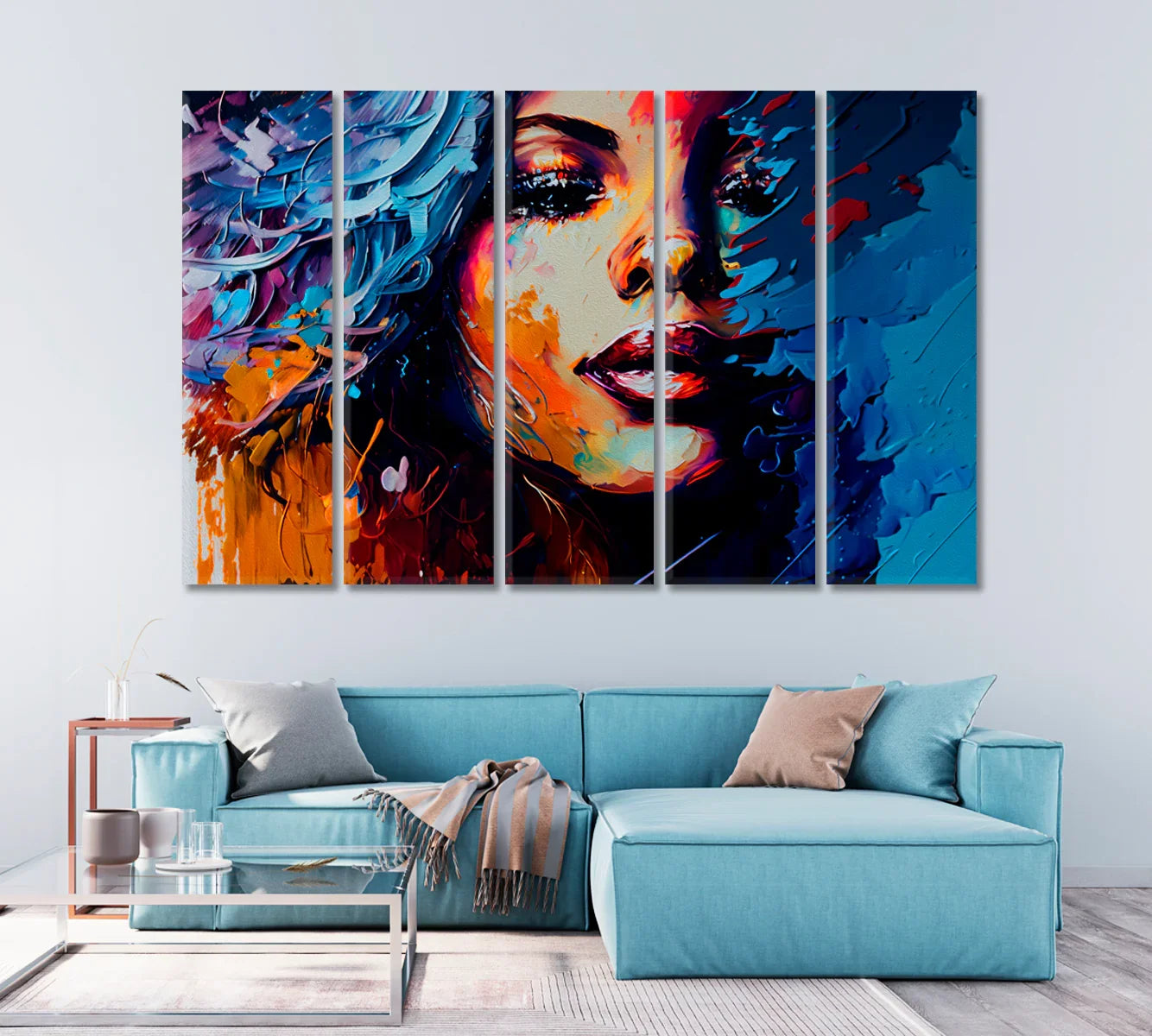
Abstract portrait with sculpted color fields—calm structure with a modern edge.
1) Introduction & Context
Contemporary interiors lean on clarity: fewer pieces, higher impact, and strong silhouettes that keep the room feeling intentional. Abstract Modern Art canvas prints deliver that balance. With simplified forms and confident color, they play well with clean-lined furniture, light woods, stone, and metal accents. For renters and homeowners alike, canvas is a practical, long-lived format that ships ready to hang and stays visually tidy on camera for remote calls.
The collection spans painterly gestures, geometric studies, and graphic portraiture. Use one large statement above a sofa or bed, or arrange two slimmer pieces to guide the eye down a hallway. Color can be quiet—moss, sand, slate—or decisive—cobalt, fuchsia, mandarin—depending on how much atmosphere you want the print to carry. Either way, the goal is the same: a crisp anchor that leaves breathing room for life to happen around it.
“Art washes away from the soul the dust of everyday life.” — often attributed to Picasso

2) Deep Dive into the Collection
Each canvas print is produced with color-managed, high-resolution files on a professional, textured canvas that holds detail in both soft and high-chroma passages. The substrate is stretched by hand over a stable wooden frame with neat corners and ready-to-hang hardware. You’ll see consistent edge wrap and clean backs so the piece looks finished from any angle.
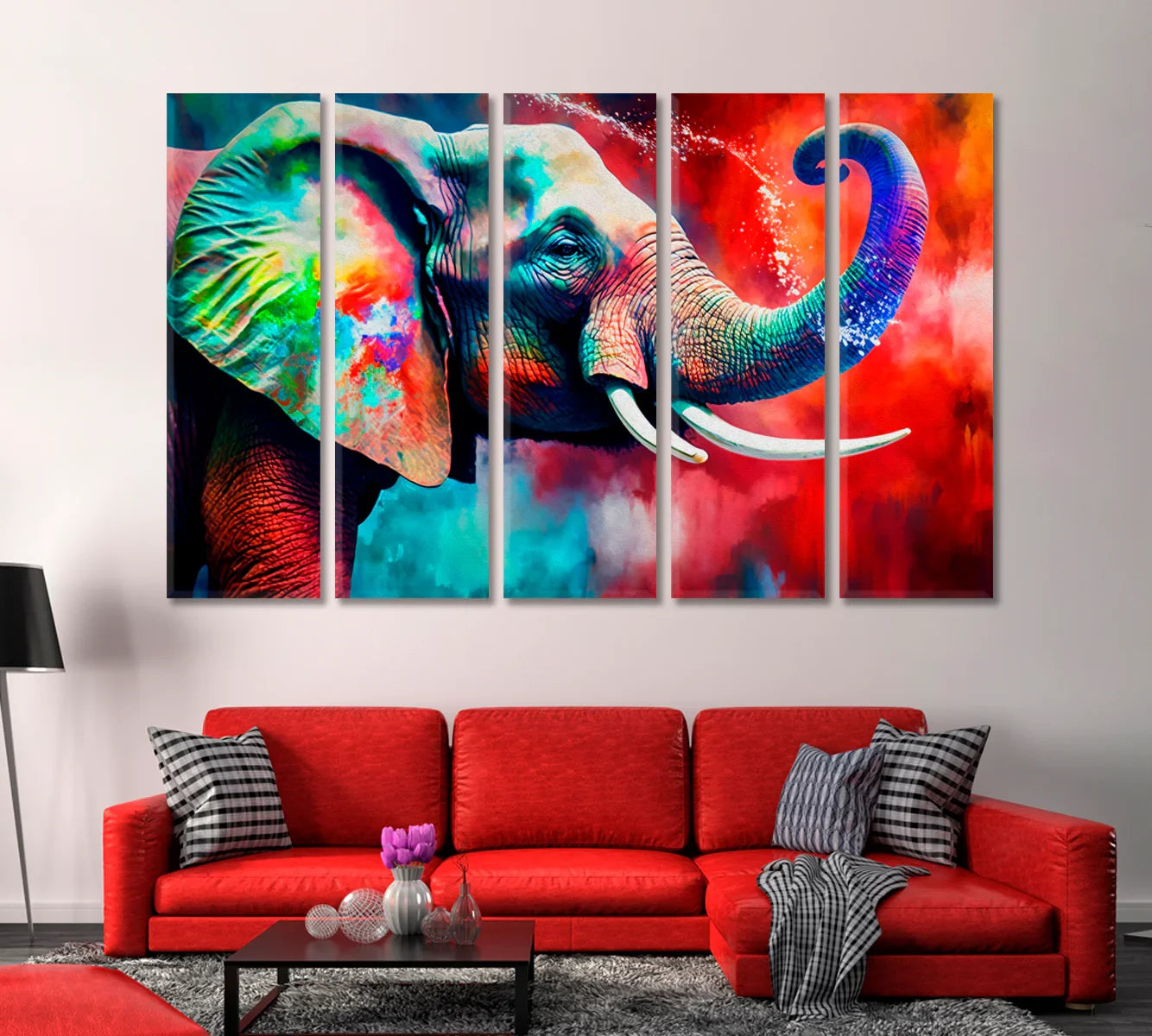
Expect clear micro-detail: crisp palette-knife ridges, fine gradient transitions, and legible edges at living-room viewing distances. Multi-panel options create rhythm across wide spans without visual clutter, while single-panel portraits deliver a focused strike of color. If you’d like to compare this collection to the broader assortment of canvases, visit the core Canvas Print Collection.

3) Ideal Buyers & Audience Profiles
The First-Home Minimalist. Small living room, a neutral sofa, and a need for one decisive focal point. Shortlist: a single 60×90 cm canvas with a restrained palette. Decision criteria: price-to-impact, easy installation, and longevity.
The Design-Forward Renter. Wants personality without renovations. Chooses a bold portrait or graphic shape for above the TV console. Values lighter sizes for easy move-out and re-hanging.
The Upgrader. Already owns prints but wants larger scale and better color fidelity. Looks for multi-panel sets to span 180–220 cm walls and consistent edge wraps for a gallery look.
The Gift Buyer. Shopping for birthdays, housewarmings, or promotions. Prefers versatile color stories (blues, terracotta, charcoal) that blend with many interiors and ships directly to recipient.
The Home-Office Optimizer. Needs a calm, camera-friendly background. Picks a structured abstract with medium contrast; hangs it at eye level for calls to avoid reflections.
The Stager/Designer. Works on short timelines and needs consistent sizes that read well in photos. Reliable stock and predictable color are key. Prefers statement canvases that make listings feel polished.
The Collector of Color. Loves saturated, modern palettes. Builds a sequence: one large anchor plus a smaller companion across from it to balance the room and repeat tone.
4) Gifting Opportunities & Occasions
Abstract Modern Art is a strong gift because it feels personal without being overly specific. For weddings or housewarmings, choose a refined palette (sand, slate, sage). For birthdays and milestones, lean brighter—coral, cobalt, sunflower—especially for recipients who enjoy bold accents. Corporate gifts work best as medium sizes that slot cleanly into offices or client lounges.
Timing: standard canvases typically dispatch quickly; around peak seasons it’s wise to order early. Budgets: small statement prints suit $75–$150; mid-sizes $150–$300; large pieces $300–$560+ depending on format. Presentation: add a note card with the art’s title and why you chose it—people cherish that story.
Gift test: if you can picture it in at least two rooms of their home, it’s versatile enough to give.
5) Seasonal & Timing Considerations
Spring refresh: lighter palettes, botanical hints, and airy compositions pair well with open windows and natural light. Summer: saturated color reads confidently even in bright spaces. Autumn: warmer tones—ochre, rust, espresso—bring depth to shorter days. Winter: high-contrast forms create focus in cozy rooms and on video calls.
Planning early around major shopping weeks secures stock and shipping windows. Off-season buys are smart for larger pieces: you’ll have quiet time to measure, rearrange, and live with options before hosting season arrives.
6) Application & Styling Scenarios
Living room: center above the sofa; target a canvas width around ⅔ of the furniture width. Keep 15–25 cm of margin to each side for balance. If you have high ceilings or a long sectional, consider a multi-panel to stretch the line without overwhelming the room.
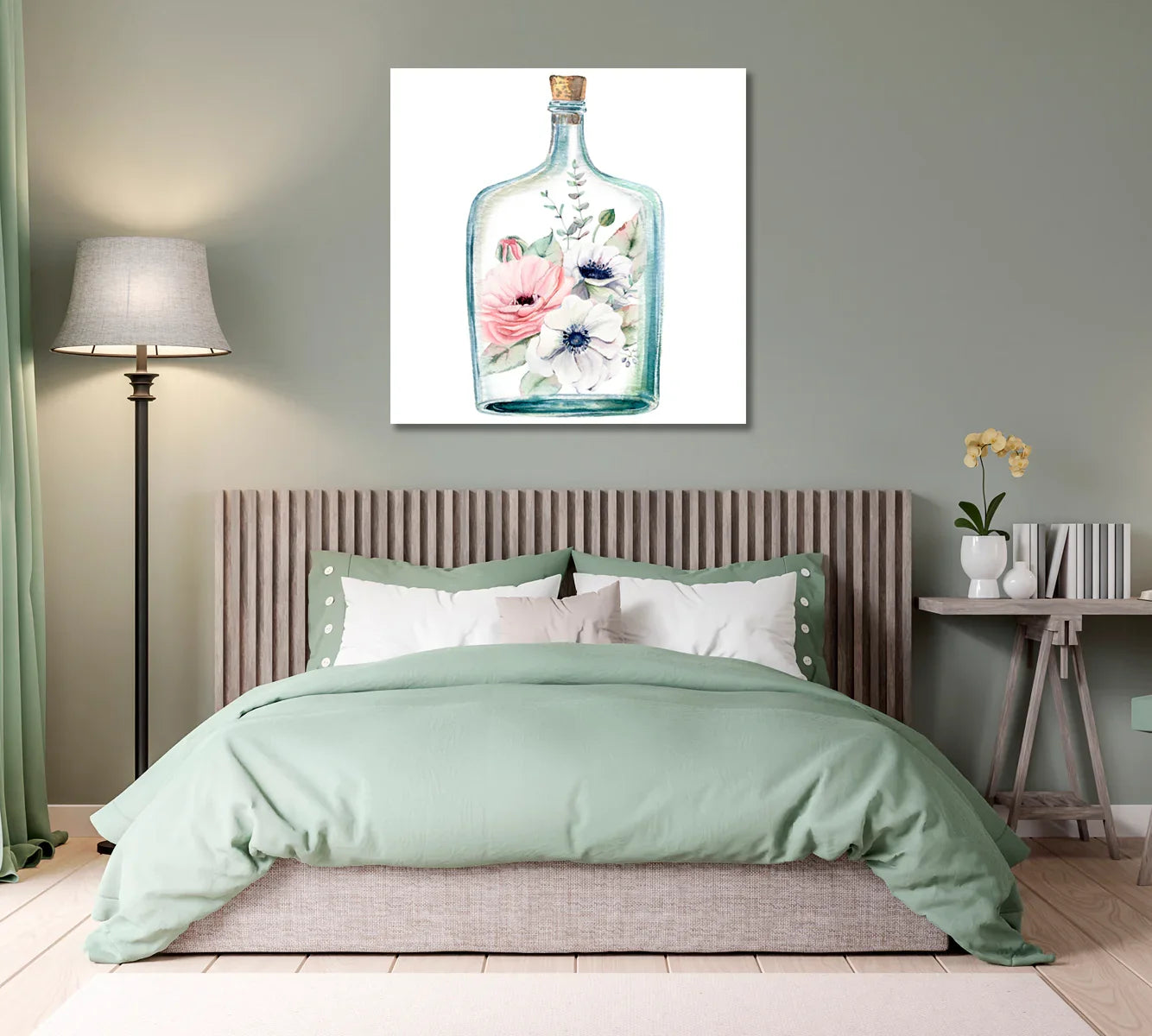
Bedroom: a single piece above the headboard keeps the composition calm. Choose medium contrast and avoid very busy textures directly behind pillows to keep the space restful.
Dining: landscape pieces stabilize the room; align the print’s horizontal lines with your table plane. Pendants with diffusers control glare.
Home office: pick measured geometry or a restrained color field. Hang so the center sits roughly at eye height (about 145–155 cm from floor for most setups).
Hallway & entry: slimmer verticals or paired 50×70 cm pieces create rhythm along a path; keep spacing even (5–8 cm) and leave room for door swings.
Kids/creative rooms: playful abstracts with rounded forms and friendly color blocks feel energetic without visual noise.
Sizing Helper: Find Your Canvas Width
Enter the width of the furniture beneath your art (sofa, bed, console). We’ll suggest the closest size based on typical options in this collection.
7) Specifications & Options
Sizes & ratios: portrait and landscape formats in popular pairs—30×40, 50×70, 60×90, 70×100, 100×150 cm—cover most walls. Multi-panel sets help on spans over 220 cm. When in doubt, step up one size for clearer reading across the room.
Edge & finish: clean gallery wrap with tidy corners; consistent depth presents well with or without frames. Hanging hardware arrives installed.
Selection framework: match width to furniture; align orientation to wall shape; choose contrast relative to textiles; echo one color in a throw or rug for cohesion.
Avoid: hanging too high, crowding outlets/switches, or mixing too many frame depths on one wall. Leave breathing room for sconces and window trim.
8) Care, Maintenance & Longevity
Dust gently with a soft, dry cloth. Avoid harsh chemicals or abrasive pads. Keep canvases away from persistent high humidity or direct, intense sunlight. Normal aging is minimal; if a surface is scuffed, consult a professional rather than experimenting with solvents at home.
Packaging protects corners and surfaces in transit; once hung, periodic checks of wall hardware ensure the print stays level and secure for the long run.
9) Competitive Positioning & Differentiation
Budget décor often compromises on print sharpness, canvas texture, and frame stability. This collection focuses on clear detail at living-room distances, stable stretch, and tidy backs—traits you notice daily. Against luxury peers, the value comes from curation: modern forms that integrate into real homes, in sizes that solve common wall layouts without custom lead times.
Good art doesn’t shout; it holds the room together.
Related Products (from sibling coastal themes)


10) Frequently Asked Questions
What size works above a 200 cm sofa?
Can I hang a bright abstract in a calm, neutral room?
Do I need a frame?
How do I keep canvases looking new?
Is installation difficult?
What if I’m choosing for a gift?
Can I mix abstracts with photography or cityscapes?
Where can I read more styling ideas?
11) Conclusion & Next Steps
Abstract Modern Art canvas prints offer a precise blend of form and color that supports how you live now—clean, flexible, and inviting. Choose a scale that matches your wall, echo a tone in your textiles, and let the composition do the quiet work of holding the room together.
Looking for more ideas? Browse stories and tips on the Wall Art & Home Decor Blog.