

Canvas Print vs. Poster vs. Photo Print: How to Choose for Home and Office
Share
Canvas Print vs. Poster vs. Photo Print: How to Choose for Home and Office
What This Guide Covers
This guide explains the real-world differences between Canvas Print, Poster, and Photo Print so you can choose the right format for living spaces and work environments. You will learn what each format is made of, how it looks on the wall, how it handles light and care, and how to size it correctly for a clean, intentional result. Where helpful, we’ll point to focused resources on CetArt—such as the overview page Wall Art — CetArt—so you can compare formats and subjects without guesswork.
The Three Formats at a Glance
Canvas Print
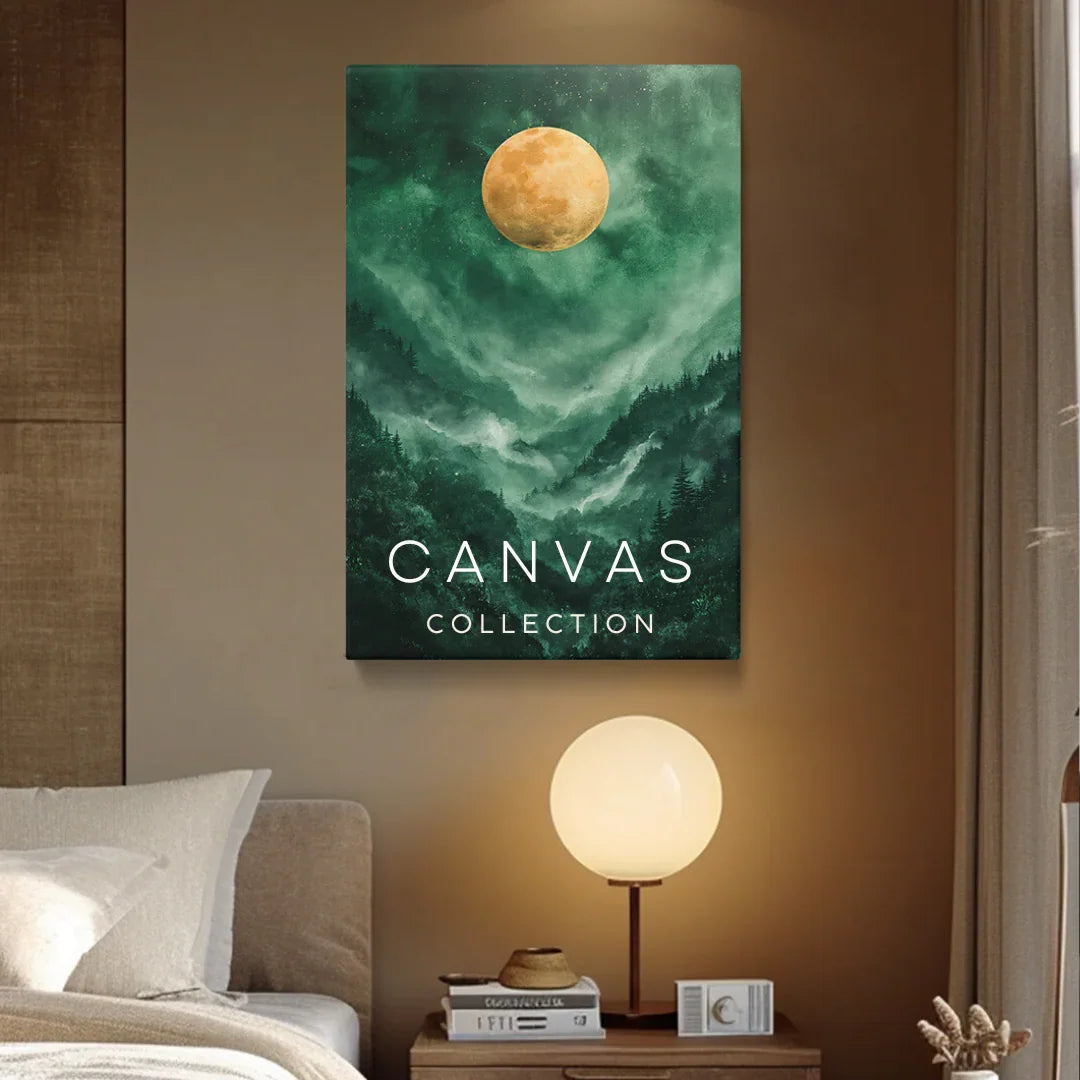
A Canvas Print is produced on professional canvas and stretched on natural wood bars for a ready-to-hang finish. The subtle texture softens micro-edges in a way that suits living rooms, bedrooms, and reception areas. Canvas gives depth and presence without a glass front, which helps control reflections in bright rooms. Explore our canvas prints guide to compare materials, sizes, panel formats and room options, or browse the canvas print collection to view available designs.
Poster
A Poster is printed on quality paper and ships rolled. You frame it yourself, which offers flexibility for color and border choices. Posters are excellent for quick refreshes, grid walls, and tight budgets. For a fast way to review subjects that frame well, see Wall Art Prints — CetArt.
Photo Print
A Photo Print uses lab-grade photo paper to maximize sharpness and tonal depth. Choose matte for glare control or glossy for deeper blacks. Photo prints excel at close-viewing zones—desks, hallways, and compact gallery walls—especially when you want crisp detail around fine lines or typography.
Materials & Build Quality
Substrates
Canvas typically uses premium cotton or cotton-rich blends that hold pigment cleanly and stretch smoothly. Posters and photo prints rely on calibrated papers that preserve edges and tonal gradients. Canvas adds physical depth and tactile interest; paper preserves a flat, graphic look.
Inks & Finish
Pigment inks on canvas create stable color and smooth gradients with a low-glare surface. Posters and photo prints can be produced in matte or glossy finishes depending on how much reflection your space can tolerate. For a survey of modern subjects and finishes, visit Modern Art — CetArt.
Framing & Mounting
Canvas arrives ready to hang, with edges finished and hardware installed. You can also choose a floating frame to create a slim border. Posters and photo prints should be framed for protection and a tidy outline. If you want the “unframed” look with clean edges, consider a gallery-wrapped canvas from Modern Canvas Prints — CetArt.
Look & Feel (How Each Reads on the Wall)
Texture and Depth
Canvas texture gently softens micro-edges and adds dimensional presence, helping a single piece become a focal point over a sofa, bed, or console. Posters offer a flat, graphic character well suited to pairings and grids. Photo prints emphasize fine detail for close-viewing areas.
Color & Contrast
On canvas, color feels rich but controlled; the texture keeps reflections low. On poster or photo paper, color and black density depend on the finish. Matte is forgiving in bright rooms, while glossy can deepen blacks in spaces with stable, indirect light.
Glare & Lighting
Canvas is naturally low-glare and works beside windows or under mixed lighting. Posters and photo prints under glass or acrylic can reflect nearby lights; matte glazing helps. If you are planning a statement wall, review scaling options on Large Wall Art — CetArt.
Durability & Care
Longevity by Format
Canvas prints are produced for long-term display and arrive with protective packing. Posters and photo prints rely on good framing and general protection from moisture and direct sun. In all cases, careful hanging and dust-only care preserve surface quality and color over time.
Maintenance
Dust canvas gently with a soft, dry cloth. For framed works, clean glazing with non-ammonia solutions and avoid abrasive wipes. Keep all formats away from persistent direct sunlight or humidity. For very large pieces that must hold clarity, preview scale on Extra Large Wall Art — CetArt.
Size, Layout & Proportion
How Big?
A reliable starting point is to choose a width around 60–75% of the furniture span beneath the art (sofa, bed, console). For exact canvas dimensions and panel layouts, use the canvas sizing guide before ordering. That proportion fills the wall without crowding edges or door frames. If the wall is long, plan a single large canvas or a framed poster pair rather than several small pieces that get lost at viewing distance.
Single vs. Multi-Panel
Single canvases deliver a strong center with a clean outline. Multi-panel canvas sets create a wider presence while keeping each component easy to handle. Posters and photo prints are effective in pairs or grids when you keep shared margins, frame colors, and gaps consistent.
Grid & Gallery Walls
Mixing formats is simple if you maintain a shared logic—consistent mat widths for paper pieces, a repeating frame color, and equal gaps throughout. Start with one anchor item and build outward; avoid too many different frame depths in a small area.
Budget Planning
Cost Ranges
Canvas generally costs more than an unframed poster but arrives ready to hang and carries a built-in depth that reads well from across the room. Posters are budget-friendly at scale but need a frame. Photo prints can be cost-effective for smaller, detail-driven displays.
Where to Invest
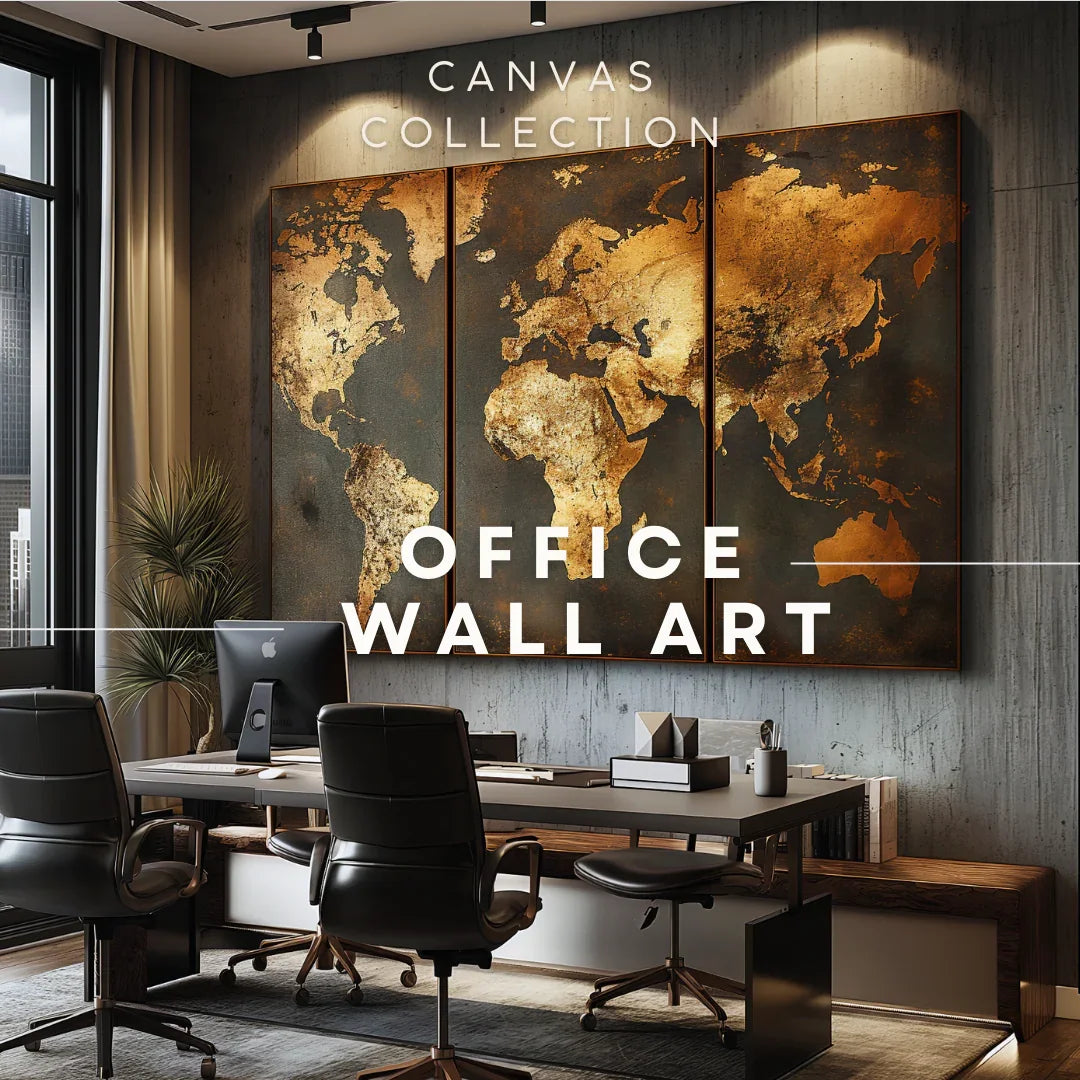
Invest in a hero wall—the living room focal point, the main bedroom wall, or a reception desk backdrop—then layer supporting pieces more economically. If you are outfitting a workspace, keep glare control and clarity in mind; a good starting point is Office Wall Art — CetArt and the planning guide Office Wall Decor — CetArt.
Best Fit by Room & Use-Case
Living Room & Lounge
Canvas suits statement walls thanks to low glare and presence. A large poster pair with matching frames produces a modern, graphic look. Photo prints work in smaller clusters near shelves or reading corners where viewers stand close.
Bedroom
Prioritize calm surfaces with minimal reflections—canvas or matte poster finishes. Keep width around two-thirds of the bed to anchor the headboard clearly.
Kitchen & Dining
Posters and photo prints behind glazing handle occasional moisture better; hang them away from direct steam or heat. A narrow canvas panorama can work on long walls if lighting is controlled.
Entry & Hallway
Use linear formats with predictable spacing. Poster grids and slim canvases guide movement without clutter. Keep sightlines clean and edges aligned.
Home Office & Office Walls
Choose subjects with simple edges and steady contrast so video backgrounds read clearly. Photo prints look sharp behind a desk; canvas can soften hard lines in meeting rooms. For a quick overview of subject families, check Wall Art — CetArt.
Environmental & Practical Notes
Inks, Substrates, and Packaging
Canvas prints are produced with calibrated inks for clean gradients and color stability. Posters and photo prints rely on paper stocks that balance stiffness and surface character. All formats benefit from careful packing so corners and edges arrive in perfect condition.
Hanging Hardware & Wall Types
Canvas pieces arrive ready to hang with hardware installed. For paper formats, choose frames with reliable hanging points and non-warping backers. Use anchors matched to wall type (drywall, brick, concrete), and check level after 24 hours.
Decision Flow (Choose in 60 Seconds)
Quick Questions
Ask yourself: How far will viewers stand? How much natural or task lighting hits the wall? Do you want texture and immediate readiness, or a framed, paper-based look? Are you building one focal point or a flexible grid?
Outcomes
If you want soft depth, low glare, and ready-to-hang convenience, choose a ready-to-hang canvas print. If you want framing flexibility at a lower cost, select a Poster and pair it with a frame that suits your room. If you want maximum sharpness for close viewing, pick a Photo Print with the right finish (matte for bright rooms, glossy for deep blacks).Common Mistakes to Avoid
Sizing Too Small
Artwork that is undersized loses impact. Use painter’s tape to mock up the full width and height before ordering. Large formats are often the simplest way to make a room feel intentional—see sizing ideas on Large Wall Art — CetArt.
Ignoring Glare
Place glossy paper away from strong windows and lamps, or choose matte finishes or canvas. If you must use glass, low-reflection glazing keeps edges readable.
Mixing Frames Randomly
Limit yourself to one or two frame colors and repeat the same profile on a wall. Keep gap sizes consistent so the display reads as one plan.
Sample Sets & Styling Ideas
One Wall, One Format
Choose a large canvas above the sofa for a single, calm statement. In dining rooms, use a framed poster pair with matching mats for a clean, graphic rhythm. For hallways, create a compact triptych of photo prints with identical frames.
Mixed-Format Gallery
Anchor the wall with one canvas, then flank it with two or three framed photo prints. Keep the horizontal centerline consistent and repeat one frame color to connect the group visually.
Two Handy Lists
Install Checklist
- Measure the furniture span and choose a width around 60–75% of that measurement.
- Mark wall centerline and corners with painter’s tape to preview scale.
- Confirm hardware and wall anchors matched to wall type; have a level and tape on hand.
- Hang the center piece first, then work outward, checking level after each step.
- Stand back to viewing distance; make small adjustments before final tightening.
Care Checklist
- Dust canvas with a soft, dry cloth; keep away from persistent direct sunlight.
- For framed paper works, clean glazing gently; avoid abrasive wipes and ammonia.
- Re-check level after 24 hours and again after seasonal humidity changes.
- If you move furniture, reassess proportion and spacing before re-hanging.
FAQs
Which lasts longer: canvas, poster, or photo print?
All three are produced for long-term display when used indoors and cared for properly. Canvas avoids glass reflections and arrives ready to hang. Posters and photo prints depend on good framing and thoughtful placement away from damp areas.
Can I frame a canvas?
Yes. A floating frame adds a clean border without covering the image. For a streamlined selection of frame-friendly canvas styles, see Modern Canvas Prints — CetArt.
Do posters and photo prints need glass?
Use glass or acrylic to protect the surface and give a finished outline. Matte glazing reduces reflections; glossy glazing deepens blacks under controlled light. For broader subject inspiration as you plan frames, browse Home Decor — CetArt.
Quick Comparison (Cheat Sheet)
Canvas: textured depth, low glare, arrives ready to hang, strong presence for focal walls.
Poster: flexible framing, budget-friendly, great for pairs and grids, modern flat surface.
Photo Print: highest micro-detail for close viewing, finish options to manage glare, frame dependent.
Next Steps
Measure, Choose, Order
Confirm the wall span, mock up with tape, and decide whether your space calls for the soft depth of canvas, the graphic flatness of a framed poster, or the precision of a photo print. If you are building a larger statement, start here: Large Wall Art — CetArt or scale further with Extra Large Wall Art — CetArt.
Style with Confidence
Keep gaps identical, align edges to furniture, and choose finishes suited to your lighting. For a concise overview of subjects—abstracts, nature, architecture—begin with Wall Art — CetArt and, if you need a paper-based approach, review framing options on Wall Art Prints — CetArt.
Compare and Shop Wall Art Formats
Review the canvas prints guide, browse the canvas print collection, or explore poster art prints if you prefer a paper format with your own frame.